


Most visitors arrive in Crete during July and August. They compete for sunbeds, queue at restaurants, and pay peak rates for everything from car hire to harbour-front hotels. Then September arrives, the charter flights thin out, and the island quietly becomes a different place. The sea is warmer than it was in June. The beaches are half-empty. The light turns golden. And practically every price on the island drops.
If you have the flexibility to choose when you visit, September and October represent the strongest value window in the entire Cretan calendar. You get better weather for sailing, calmer conditions on the water, and a version of every coastal experience that feels more private, more polished, and significantly less expensive than the same trip would have been six weeks earlier.
Written by Elena Markou for the DanEri Journal using real operational data from DanEri Yachts late-season cruises, local weather patterns, and current pricing as of April 17, 2026.
September gives you 25-26 degrees C sea temperature, half the crowd density of August, calmer winds after the meltemi season fades, and lower prices across accommodation, dining, and activities. October is the final window before the sailing season closes. Both months are ideal for catamaran cruises from any Cretan port.
The Sea Is Actually Warmer In September Than In June
This is the fact that surprises most first-time visitors. The Mediterranean around Crete peaks in temperature during late August and September, reaching 25 to 26 degrees Celsius. In June, the same water is still climbing from winter temperatures and typically sits around 22 degrees. By the time September arrives, the sea has been absorbing summer heat for months and it shows. Swimming feels effortless. Children stay in the water longer. Snorkelling stops feel genuinely warm rather than bracing.
For catamaran cruises, this matters more than most guests expect. A significant portion of the day is spent in the water, whether that means swimming at anchor near Balos, floating off the back of the boat at a quiet cove, or snorkelling along a volcanic coastline. Warmer water transforms those stops from brief dips into long, comfortable sessions where nobody is counting the minutes until they can get back on deck and dry off.

September sea temperatures around Crete reach their annual peak, making every swim stop longer and more comfortable than the same route in early summer.
The Meltemi Calms Down And The Sea Flattens
July and August on the north coast of Crete often bring the meltemi, a strong northerly wind that can turn otherwise calm routes into choppy, uncomfortable crossings. Some guests who sail in peak summer are surprised by how rough the conditions can be, even on a large catamaran. The meltemi is not dangerous on a well-crewed vessel, but it can make the experience less enjoyable, particularly for guests who are sensitive to motion or travelling with young children.
By mid-September, the meltemi pattern breaks. Wind speeds drop, the sea surface calms, and sailing conditions become noticeably smoother. This is one of the strongest practical arguments for booking a late-season cruise. You are far more likely to get the glassy, postcard-flat water that makes drone photos look unreal and makes the onboard experience feel effortlessly luxurious.

Golden Light, Empty Beaches, And Better Photos
Photographers know this already. The angle of September and October sunlight in Crete creates a warm, amber-toned quality that you simply do not get in the flat, overhead light of midsummer. Golden hour lasts longer. Shadows are softer. The colours of the coastline, the lagoons, and the water itself photograph with more depth and more warmth.
But it is not only about the camera. The light affects how the whole day feels. Mornings are gentle rather than immediately intense. Afternoons have a slow, honeyed quality. Sunset cruises become genuinely spectacular because the sun drops through clean, low-humidity air instead of the summer haze that often blurs the horizon in July.

Late-season light in Crete produces the warm, golden tones that make every photo from the cruise feel naturally elevated.
The Crowd Factor
The beaches that felt overcrowded in August are suddenly spacious. Elafonissi, Balos, Seitan Limania, and the smaller coves along the north coast all return to something closer to their natural state. You can find a stretch of sand without a neighbour. You can anchor offshore without three other boats competing for the same spot. The entire experience feels more private, and that shift in atmosphere is worth more than any discount.
Half-Price Everything Is Not An Exaggeration
Accommodation prices in Crete drop sharply after the last week of August. Many hotels, villas, and apartments reduce rates by 30 to 50 percent for September, and the discounts deepen further in October. Car hire follows the same curve. Restaurant queues disappear. The savings are real and they apply across almost every category of travel spending.
What this means in practice is that the total cost of a week in Crete during September can be roughly the same as four or five days in August. The freed-up budget often goes exactly where it should: into experiences. Guests who might have hesitated over a premium catamaran cruise in peak season find that the late-season pricing makes it an easy decision.

Grape Harvest Season Adds A Layer Most Visitors Miss
September in Crete coincides with the grape harvest across the island's wine regions. Villages in the hills above Heraklion and Rethymno come alive with harvesting activity, and many small wineries open their doors for tastings and tours that are not available at other times of the year. For guests who enjoy pairing a coastal day on the water with an inland cultural experience, the harvest season creates a combination that simply does not exist in July or August.
Local tavernas adjust their menus too. Fresh grape must, seasonal figs, and early autumn produce appear on tables across the island. The food in September has a different character from the food in midsummer, and many returning visitors consider it the best eating season on Crete.

Why Late Season Is The Strongest Window For A Catamaran Cruise
Every advantage listed above compounds when you are on the water. Warmer sea for swimming. Calmer conditions for sailing. Better light for the entire visual experience. Fewer boats at anchor points. A more relaxed atmosphere on board because the crew is not rushing through a packed high-season schedule.
DanEri runs its full cruise collection through September and into October, depending on conditions. The routes are the same, the catamarans are the same, the crew is the same. What changes is the context around the experience, and in almost every measurable way, that context improves after the summer crowds leave.
October still delivers warm water and pleasant sailing conditions in most years, but it is the final month before the season ends. Weather becomes less predictable toward the end of the month. If you are considering a late-season visit, October works well but it is wise to book early and confirm availability with DanEri before finalising travel plans.
- Sea temperature peaks at 25-26 degrees C in September, warmer than June and most of July.
- The meltemi wind pattern fades by mid-September, producing calmer, flatter sailing conditions.
- Accommodation and car hire prices drop 30-50 percent compared to August peak rates.
- Golden-hour light lasts longer and produces warmer, more photogenic tones across every route.
- Beaches and anchor points are significantly less crowded, creating a more private experience.
- Grape harvest season opens up winery visits and seasonal Cretan dining that summer visitors miss.
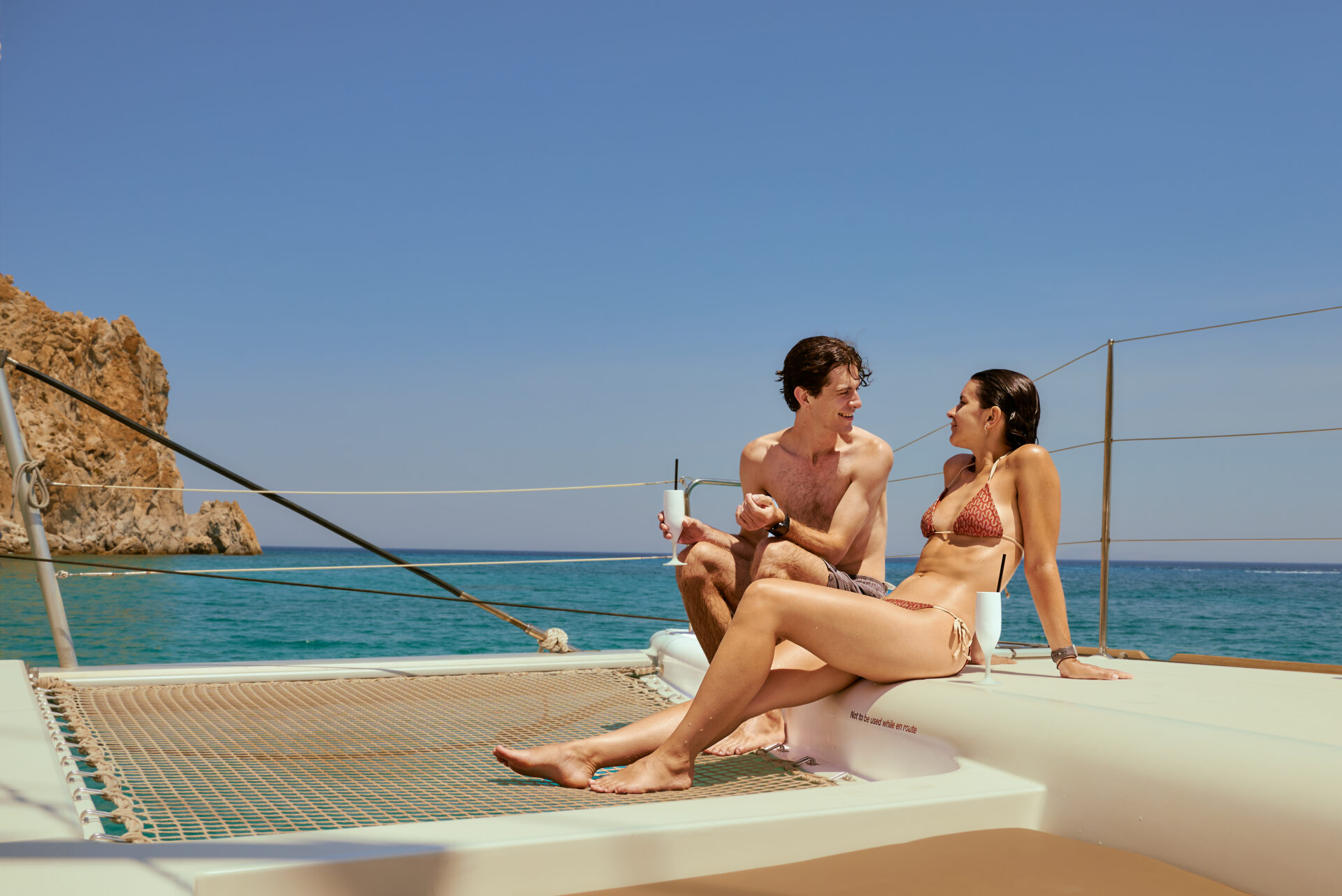
Every route in the DanEri collection benefits from the calmer water, warmer temperatures, and softer light of September and October sailing.